The Role of Cognitive Bias in Gambling
Cognitive biases play a significant role in the decision-making process of casino players. These mental shortcuts or systematic errors in thinking can lead individuals to make irrational choices based on faulty reasoning. For instance, the illusion of control is a common bias where players believe they can influence the outcome of games that are purely based on chance, such as roulette or slots. Understanding these biases is crucial for both players and casino operators, as they help explain why certain strategies are employed in gaming scenarios, including navigating to the best no kyc casino.
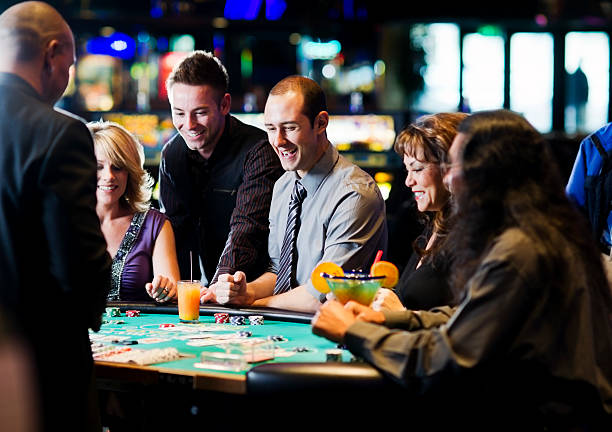
Another common cognitive bias observed in gambling is the availability heuristic, where players rely on immediate examples that come to mind when evaluating a situation. If a player has recently heard about someone winning a big jackpot, they may overestimate their own chances of winning, leading them to spend more time and money at the casino. This perspective is essential for acknowledging how gambling behavior can be influenced by perceived opportunities.
The Influence of Emotions on Betting Choices
Emotions significantly impact how players approach casino games. A win can evoke feelings of excitement and euphoria, which may result in impulsive bets and a willingness to take more risks. Conversely, losses can lead to frustration or despondency, causing players to chase their losses by betting larger amounts in an attempt to recover their previous losses. This emotional rollercoaster can cloud judgment and lead to less strategic decision-making, affecting overall game outcomes.
Moreover, the concept of “tilt” is pertinent in gambling psychology. Players can become emotionally compromised after a series of unfortunate events, leading to erratic and aggressive behavior that deviates from their usual gaming strategy. Recognizing the emotional states that accompany gambling can enable players to manage their behavior better and develop more rational approaches to game strategies.
The Importance of Risk Assessment in Strategy Development
Risk assessment is integral to developing effective gambling strategies. Players often evaluate the potential rewards against the risks involved, making decisions that they believe will maximize their chances of winning. For example, in games like poker, a skilled player will assess both their hand and their opponents’ actions to decide how much to bet or whether to fold, showcasing strategic thinking influenced by risk evaluation.
Understanding the odds and probabilities associated with different games is also crucial for informed decision-making. Players who take the time to learn about the house edge and the mechanics behind various games are often more successful than those who rely solely on luck. This analytical approach to risk can lead to more sustainable gameplay and an overall better gambling experience.
Social Dynamics and Group Influence in Casinos
Casinos are social environments where the behavior of others can significantly influence individual betting strategies. Social proof, a psychological phenomenon where individuals mimic the actions of others, is particularly evident in gaming settings. When players observe others winning, they may feel compelled to adopt similar strategies, regardless of their understanding of the game’s mechanics.
Additionally, groups can create pressure to conform to certain behaviors, leading to collective decision-making that may overlook individual strategic insights. This social dynamic can enhance the thrill of gaming but can also lead to suboptimal outcomes if players do not critically evaluate their decisions based on personal knowledge and experience.

Understanding Casino Security and Player Psychology
The interplay between psychology and casino security measures is fascinating. Casinos employ various strategies to ensure a safe environment while also understanding the psychological aspects that drive player behavior. For instance, the layout and design of a casino are crafted to encourage prolonged play and engagement, capitalizing on the psychological tendencies of players.
Moreover, security protocols, such as monitoring player behavior and implementing responsible gambling measures, reflect an awareness of the vulnerabilities that can arise from psychological factors. As players become more educated about their own psychological triggers and the broader implications of their behavior, both the gaming experience and the security measures in place can evolve to create a more enjoyable and safe environment for all.